PPC Marketing Made Simple: How to Drive Instant Traffic and Conversions
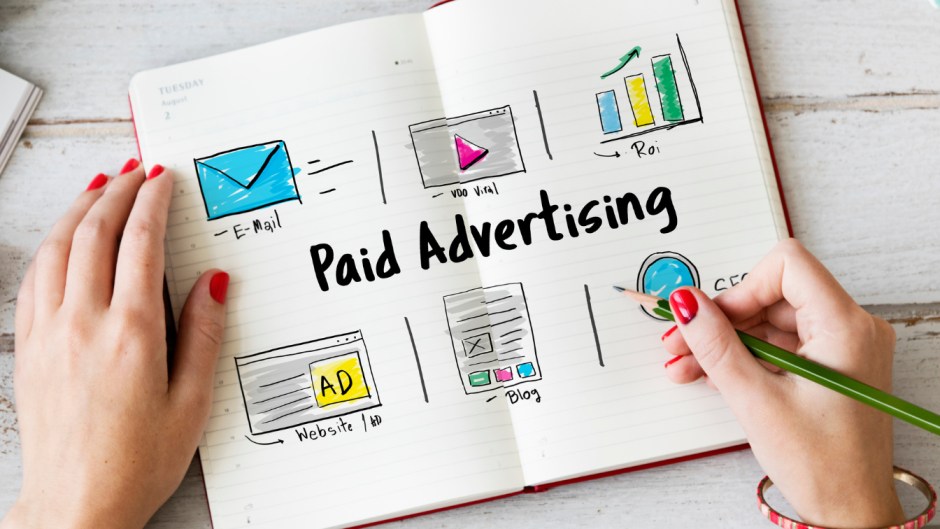
In a world where organic growth takes time, PPC (Pay-Per-Click) marketing stands out as the go-to shortcut for businesses that want instant visibility. Whether you’re a startup trying to make noise or an established brand looking to scale, PPC advertising helps you target the right audience, at the right time, with the right message.
Let’s dive into how PPC campaigns work, why they matter, and how you can make them truly profitable.
What Is PPC and Why Should You Care?
PPC, short for Pay-Per-Click advertising, is a form of digital marketing where you pay only when someone clicks your ad. It’s the opposite of SEO, where results take time to show. Platforms like Google Ads, Microsoft Ads (Bing Ads), and Meta Ads let you bid on keywords and display ads to users actively searching for your product or service.
Whether it’s a search campaign, display ad, or shopping campaign, the beauty of PPC lies in its measurable ROI and precise targeting.
How PPC Marketing Works
When you set up a PPC ad campaign, you’re essentially entering an auction for visibility. You choose target keywords, set a budget, and write compelling ad copy that matches user intent.
Search engines like Google then decide when to show your ad based on ad rank, quality score, and bid amount. The result? Ads that show up to people who are already searching for what you sell — leading to higher conversion rates and qualified leads.
Why PPC Is Worth Every Rupee (or Dollar)
A well-optimized PPC strategy can give you more than just clicks — it delivers sales, brand awareness, and customer insights.
Here’s why brands swear by it:
- Immediate traffic — no waiting for SEO to kick in.
- Full control over budget and targeting.
- Detailed analytics through Google Ads Manager or Meta Business Suite.
Ability to test different ad creatives, landing pages, and keywords.
Get a Free Consultation
Book NowThe Secret: Optimization Is Everything
Running PPC ads is easy; making them profitable isn’t. The key lies in PPC optimization — continuously refining your campaigns based on performance data.
Focus on:
- Keyword research (using negative keywords to block irrelevant clicks)
- Improving ad relevance and CTR (Click-Through Rate)
- Enhancing landing page experience
- Monitoring CPC (Cost-Per-Click) and conversion metrics
Regular A/B testing helps ensure your budget is used efficiently.
Google Ads vs Meta Ads: Which Platform Wins?
While Google PPC advertising targets users with clear intent, Facebook (Meta) Ads excel at discovery and brand awareness.
If you’re selling a product people already search for — go with search ads.
If you’re introducing something new or want to retarget your audience — social PPC campaigns might be the way to go.
For most businesses, a hybrid PPC marketing strategy combining both platforms gives the best results.
Common PPC Mistakes to Avoid
Many advertisers waste money on PPC because of a few classic mistakes:
- Ignoring negative keyword research
- Sending traffic to the homepage instead of a focused landing page
- Not tracking conversions properly
- Bidding blindly without testing ad performance metrics
Avoid these, and your PPC performance will skyrocket.
Get a Free Consultation
Book NowThe Future of PPC Advertising
AI-driven PPC automation and smart bidding strategies are changing how campaigns are run. Tools like Performance Max, responsive search ads, and automated bidding help advertisers scale faster than ever.
But even with automation, human creativity — writing catchy ad copy, understanding user psychology, and optimizing landing pages — remains the secret sauce.
Key Takeaways
- PPC marketing is the fastest way to drive traffic and sales.
- Focus on keyword intent, ad relevance, and landing page optimization.
- Combine search ads, display ads, and remarketing for full-funnel coverage.
- Keep testing, analyzing, and optimizing — that’s where the ROI lives.
Frequently Asked Questions (FAQs)
Not exactly. Google Ads is just one platform for PPC marketing. PPC can also include Bing, Meta, LinkedIn, or even YouTube ads.
Start small — even ₹500–₹1000 a day — and scale once you see consistent ROI.
Indirectly, yes. While PPC doesn’t improve organic rankings, it increases traffic and brand visibility, which can support your SEO goals.
Almost instantly! You can start getting traffic within hours of launching your campaign.
Google Ads is ideal for intent-based traffic; Meta Ads work great for retargeting and brand awareness.