
Understanding the Difference Between On-Page and Off-Page SEO
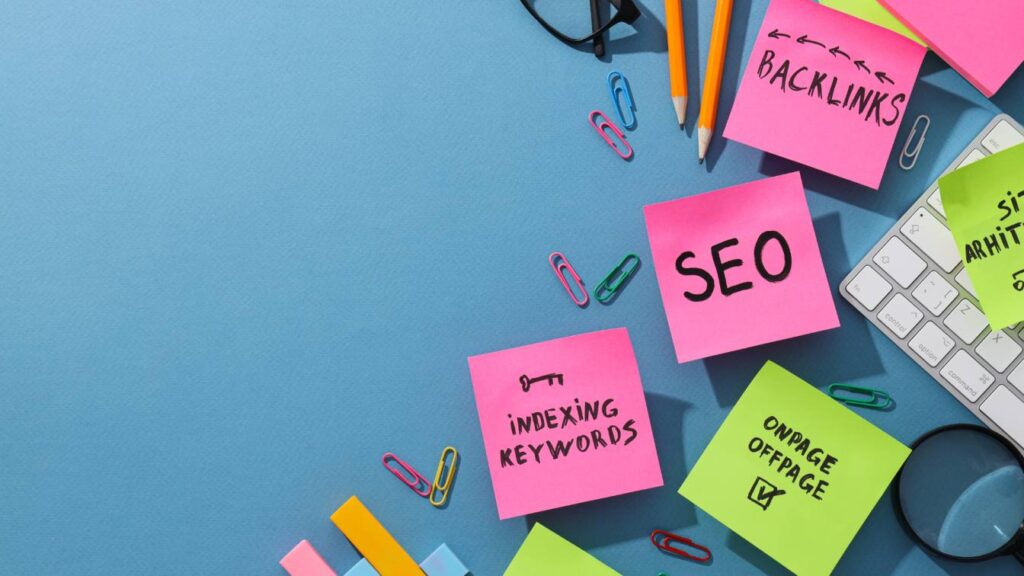
Search Engine Optimization (SEO) is the backbone of every successful website, but many businesses struggle to figure out where to focus their efforts. Some pour time into content and keyword optimization, while others chase backlinks and social shares. The truth? Both matter — but in different ways.
If you’ve ever wondered about the difference between on-page and off-page SEO, you’re not alone. These two branches of SEO work together to improve your website’s visibility, credibility, and authority in search results. But knowing how they differ — and how to balance them — can make all the difference in your digital marketing results.
In this guide, we’ll break down each approach, explain why both are essential, and share practical tips on how to build a strong SEO strategy that boosts your site’s performance organically.
What Is On-Page SEO?
On-page SEO (also called on-site SEO) focuses on optimizing the elements within your website to make it search-engine-friendly and user-friendly. It’s all about what you can control directly — from your content quality to technical structure.
In short, it ensures Google (and users) can easily understand what your site is about.
Here’s what strong on-page SEO usually includes:
Keyword optimization: Using primary and secondary keywords naturally in titles, headings, and throughout the content.
Meta tags: Writing descriptive meta titles and meta descriptions that improve click-through rates.
Content quality: Creating valuable, original content that answers user queries better than competitors.
Internal linking: Connecting related pages to help both users and search engines navigate your site.
Mobile-friendliness: Ensuring your site looks and performs well across all devices.
Page speed optimization: Faster load times mean better user experience — and higher rankings.
When these factors are optimized, search engines can better crawl, index, and rank your site. It’s the digital equivalent of keeping your shop clean, well-organized, and easy to browse.
Why On-Page SEO Matters
Think of on-page SEO as the foundation of your website’s visibility. Without it, even the best marketing campaigns will struggle to deliver results.
Here’s why it’s so important:
Search engines rely on context. On-page signals help search algorithms understand your topic and relevance.
User experience impacts rankings. A fast, well-structured, and informative page keeps visitors engaged — which reduces bounce rate.
It builds trust. When your content consistently provides value, visitors are more likely to return, subscribe, or convert.In short, without strong on-page SEO, your site might look great — but it won’t reach the audience it deserves.
What Is Off-Page SEO?
If on-page SEO happens inside your website, off-page SEO focuses on everything outside it that helps boost your authority and reputation online.
It’s about how the rest of the internet perceives your brand. Search engines like Google view external signals — such as backlinks and mentions — as votes of confidence that your content is valuable and trustworthy.
Key components of off-page SEO include:
Backlink building: Earning high-quality links from reputable websites.
Social media engagement: Driving traffic and brand awareness through social channels.
Brand mentions: Gaining visibility on forums, news sites, or blogs — even without direct links.
Guest blogging: Publishing content on other sites to build credibility and reach new audiences.
Online reviews: Positive customer feedback on platforms like Google Business Profile or Yelp adds to your site’s reputation.
Unlike on-page SEO, which you can directly manage, off-page SEO requires consistent relationship-building and brand promotion.
Get a Free Consultation
Book NowThe Core Difference Between On-Page and Off-Page SEO
| Aspect | On-Page SEO | Off-Page SEO |
|---|---|---|
|
Focus |
Optimizing elements within your website |
Building authority and trust outside your website |
|
Control |
Fully within your control |
Relies on external sources |
|
Main Goals |
Improve relevance, structure, and experience |
Boost domain authority and online reputation |
|
Key Activities |
Keyword use, content, meta tags, speed, internal links |
Backlinks, mentions, guest posts, social engagement |
|
Example |
Updating title tags and blog posts |
Getting a link from an industry-leading website |
In essence, on-page SEO tells Google what your site is about, while off-page SEO convinces Google it’s worth ranking.
How to Balance On-Page and Off-Page SEO
A winning SEO strategy doesn’t pick sides — it blends both approaches strategically. Here’s how you can strike that balance:
1. Start with On-Page Optimization
Before chasing backlinks, make sure your own house is in order.
Research and target the right keywords for your niche.
Optimize your URLs, meta tags, and headers.
Use schema markup to help Google understand your content structure.
Create valuable, long-form content that solves problems and attracts natural links.
2. Build High-Quality Backlinks
Once your site is well-optimized, start expanding your digital footprint.
Guest post on niche-relevant blogs.
Collaborate with influencers or industry experts.
Create shareable content — infographics, guides, and statistics work great.
Avoid buying links or using spammy directories; focus on earning links organically.
3. Leverage Social Proof and Engagement
Your brand’s social presence indirectly impacts SEO.
Share new content regularly on social platforms.
Encourage user interactions — comments, shares, and discussions.
Respond to reviews and build genuine relationships with your audience.
When both on-page and off-page strategies work together, your website not only ranks higher but also builds lasting authority.
Common Mistakes to Avoid
Even seasoned marketers make these missteps:
Overstuffing keywords in an attempt to boost on-page rankings.
Chasing quantity over quality when building backlinks.
Ignoring technical SEO, such as broken links, slow pages, or poor mobile optimization.
Neglecting content freshness — outdated posts can hurt credibility.
The key is consistency. SEO is not a one-time project but an ongoing process of improving, testing, and refining.
Get a Free Consultation
Book NowBest Practices for Long-Term SEO Success
To sustain results, follow these actionable tips:
Audit your site regularly — identify broken links, slow pages, or missing meta tags.
Keep content fresh and relevant — update old posts with new data or trends.
Diversify your backlinks — aim for links from different types of sites (blogs, media, directories).
Track performance — use Google Analytics and Search Console to see what’s working.
Focus on user intent — create content that directly answers what people are searching for.
Remember, SEO is about value and trust — not shortcuts.
Conclusion
The difference between on-page and off-page SEO lies in where you apply your efforts — inside or outside your website. But both share the same goal: helping your site rank higher, attract the right audience, and build lasting authority online.
By combining strong on-page optimization with consistent off-page efforts, you’ll create a sustainable SEO strategy that grows your visibility and credibility over time.
If you’re ready to dig deeper into optimizing your site, start by auditing your on-page elements — then move toward building your off-page authority one link at a time.
Frequently Asked Questions (FAQs)
On-page SEO involves optimizing elements within your website like content, keywords, and meta tags. Off-page SEO, on the other hand, focuses on external factors such as backlinks, social signals, and brand mentions that influence your site’s authority.
Both are equally important. On-page SEO builds the foundation by ensuring your website is optimized and relevant, while off-page SEO enhances credibility and helps you rank higher through external validation like backlinks.
A website can rank for low-competition keywords using strong on-page SEO, but to achieve and maintain higher rankings in competitive niches, you’ll need a solid off-page SEO strategy as well.
Examples include meta titles, headings, keyword usage, internal linking, image optimization, and improving page speed and mobile responsiveness.
Off-page SEO involves link building, guest blogging, social media marketing, influencer outreach, and getting brand mentions on authoritative websites.
Typically, you can start noticing improvements within 4 to 6 weeks after optimizing your pages, depending on competition, site health, and keyword difficulty.
Backlinks act as “votes of confidence” from other websites. High-quality backlinks from trusted domains tell search engines that your content is valuable and authoritative, which boosts rankings.
Yes, technical SEO falls under on-page SEO. It includes optimizing website structure, improving page speed, fixing broken links, and ensuring your site is crawlable and mobile-friendly.
Indirectly, yes. While social signals don’t directly impact rankings, they help increase brand visibility, traffic, and engagement — all of which can lead to more backlinks and mentions.
Start by optimizing your on-page elements like content and structure. Once your site is technically sound, focus on earning high-quality backlinks, building partnerships, and promoting your content across platforms.